Flossing is one of the most overlooked aspects of oral hygiene. While brushing twice daily is a habit most people maintain, flossing often gets skipped. Enter air flossers devices that promise to make interdental cleaning easier and more comfortable. But the big question remains: do dentists actually recommend air flossers?
This article dives deep into the science, expert opinions, pros and cons, and practical advice surrounding air flossers. Whether you’re considering buying one, comparing them to water flossers, or wondering if they’re worth the investment, you’ll find everything you need here.
What Is an Air Flosser?
An air flosser is a handheld device that uses bursts of air (sometimes combined with micro-droplets of water or mouthwash) to dislodge food particles and plaque between teeth.
- Mechanism: Concentrated air pressure targets interdental spaces.
- Goal: Reduce plaque buildup, improve gum health, and encourage daily flossing compliance.
- Alternative to: Traditional string floss and water flossers.
Do Dentists Recommend Air Flossers?
Expert Consensus
- Supportive but cautious: Trusted medical source often recommend air flossers for patients who dislike or struggle with string floss.
- Not a replacement: Clinical studies show air flossers reduce plaque and gingivitis, but not as effectively as traditional floss or water flossers.
- Best for compliance: Since many patients avoid flossing altogether, dentists prefer patients use air flossers rather than skip interdental cleaning entirely.
When Dentists Recommend Them
- Patients with braces or dental implants.
- Individuals with dexterity issues (arthritis, limited hand mobility).
- Those who find water flossers too messy.
Air Flossers vs. Water Flossers vs. Traditional Floss
| Feature | Air Flosser | Water Flosser | String Floss |
|---|---|---|---|
| Cleaning Power | Moderate | High | Very High |
| Ease of Use | Very Easy | Easy | Moderate |
| Mess Factor | Minimal | Moderate | None |
| Dentist Preference | Supplement | Strongly Recommended | Gold Standard |
| Best For | Beginners, busy lifestyles | Gum disease prevention | Complete plaque removal |
Pros and Cons of Air Flossers
Pros
- Easy to use, especially for beginners.
- Quick (takes less than 60 seconds).
- Portable and less messy than water flossers.
- Encourages compliance in patients who otherwise avoid flossing.
Cons
- Less effective at removing plaque compared to floss.
- Limited clinical evidence compared to water flossers.
- Requires charging or batteries.
- May not reach deep periodontal pockets.
Step-by-Step: How to Use an Air Flosser
- Fill reservoir with water or mouthwash (if applicable).
- Position nozzle between teeth.
- Press activation button to release burst of air.
- Move systematically across all interdental spaces.
- Rinse and clean device after use.
Common Mistakes to Avoid
- Using air flossers instead of flossing entirely.
- Skipping back molars.
- Not cleaning the device regularly.
- Assuming one burst is enough for heavily stained areas.
Myths vs. Facts
- Myth: Air flossers are as effective as floss.
- Fact: They help but are less effective than string floss.
- Myth: Only people with braces need them.
- Fact: They benefit anyone struggling with flossing compliance.
- Myth: They replace professional cleanings.
- Fact: Regular dental check-ups remain essential.

Real-World Example
A patient in London with arthritis struggled to floss daily. After switching to an air flosser, compliance improved dramatically. While plaque control wasn’t perfect, gum bleeding reduced, and the dentist noted improved oral hygiene compared to no flossing at all.
Expert Tips
- Use mouthwash instead of water for added antibacterial effect.
- Combine air flossing with brushing and occasional string flossing.
- Replace nozzle tips regularly for hygiene.
Key Takeaways
- Dentists recommend air flossers as a supplementary tool, not a replacement.
- They are especially useful for patients with braces, implants, or dexterity issues.
- Compliance is their biggest advantage better some flossing than none.
- Traditional floss and water flossers remain more effective for plaque removal.
FAQs
Dentists generally recommend air flossers for people who struggle to floss consistently. They are not considered the most powerful plaque-removal method, but they offer a convenient alternative for patients who avoid flossing altogether. Most clinicians view them as a supportive tool better than not flossing, but not a replacement for traditional floss or high-pressure water flossers.
Air flossers can remove light plaque and trapped food debris, but they are not as effective as string floss or water flossers for tackling sticky plaque or tight contact areas. They work best as part of a daily routine, especially for beginners or those who want a quick way to clean between teeth.
Yes. They use gentle bursts of air and micro-droplets, making them safe for daily use. They’re suitable even for people with sensitive gums, mild gingivitis, or bleeding gums as long as bleeding is not caused by an underlying condition requiring dental treatment.
Yes, many orthodontists recommend them for patients with braces. Air flossers help clean around brackets and wires more comfortably. While they may not remove all plaque, they prevent food build-up and reduce the risk of gum inflammation between orthodontic visits.
Yes. Air flossers are gentle and can help clean around implants without causing irritation to the gum tissue. They are especially helpful in preventing peri-implant plaque buildup. However, patients with implants usually get the best results by combining an air flosser with occasional water flossing or interdental brushes.
They may help reduce early gum inflammation by improving cleaning between teeth, but they are not powerful enough to treat gum disease on their own. For moderate to advanced gum disease, a water flosser or professional periodontal cleaning is still the recommended approach.
Not for cleaning power. Water flossers deliver a stronger stream that reaches deeper between teeth and below the gumline. Air flossers are easier, cleaner, and faster to use, but they do not match the gum-health benefits of water flossing. Dentists often recommend air flossers for convenience and water flossers for effectiveness.
Yes, they can help reduce bad breath by removing trapped food particles that cause odour. However, if bad breath is caused by gum disease, dry mouth, or tonsil stones, an air flosser alone won’t solve the issue. A dental assessment may be needed to identify the root cause.
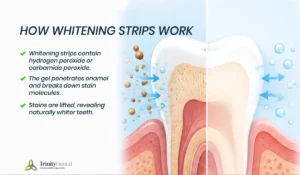
No. Air flossers do not have a whitening effect. They clean between teeth but cannot remove surface stains. For whitening, patients should rely on whitening toothpaste, professional polishing, or dentist-supervised whitening treatments.
No. Once plaque hardens into tartar, only a dentist or hygienist can remove it using professional tools. Air flossers can help prevent tartar buildup by reducing food debris and soft plaque before it calcifies.
No, they are typically gentle. In fact, they can be more comfortable than string floss, especially for people with tight contacts or sensitive gums. Some mild initial bleeding is normal for those who haven’t flossed regularly, but this usually improves within a week of consistent use.
Yes. Many people prefer using mouthwash in the reservoir instead of water for added antibacterial protection. Using a therapeutic mouthwash may help reduce gum inflammation while freshening breath.
Professional Dental Support in London
If you’re in London and struggling with flossing or gum health, expert dentists at Trinity Dental can help. Our dental implants specialists, orthodontics, and preventive dentistry provide tailored advice on whether air flossers, water flossers, or other solutions are right for you. Book your consultation today.