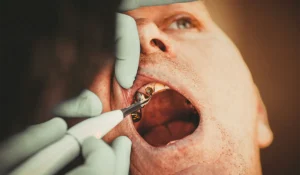
Wisdom tooth extraction is one of the most common dental procedures, yet it is often misunderstood, feared, and delayed usually until the pain becomes unbearable. Whether the tooth is impacted, infected, poorly positioned, or damaging nearby teeth, timely removal prevents long-term complications like crowded teeth, gum infection, cyst formation, or jawbone issues.
This comprehensive guide is written to answer every major concern patients face from pain levels to recovery steps, eating guidelines, cost transparency, risks, and how to choose the right dental clinic. With expert insights, real-world examples, healing timelines, and professional advice, this article prepares you fully for the procedure and ensures a smooth recovery experience.
What Is Wisdom Tooth Extraction & Why Is It Performed?
Wisdom tooth extraction is a surgical removal of the third molars usually emerging between ages 17 and 25. For many people, these teeth do not erupt properly due to lack of space or incorrect positioning.
Common reasons dentists recommend extraction:
- Impacted tooth causing gum swelling
- Severe tooth decay or deep infection
- Pressure on adjacent teeth causing pain
- Cysts or lesions forming around the tooth
- Repeated gum inflammation
- Difficulty cleaning surrounding areas
- Sinus discomfort caused by upper wisdom teeth roots
Dentists classify wisdom teeth into four eruption types:
| Wisdom Tooth Position Type | Explanation |
|---|---|
| Fully erupted | Tooth is visible and may be extracted routinely |
| Partially erupted | Often leads to gum infection |
| Horizontal impaction | Highest risk presses against other teeth |
| Angled impaction | May damage root structure of adjacent molars |
Does Having a Tooth Extraction Hurt?
Pain perception depends on:
- Tooth position
- Level of infection
- Surgical complexity
- Use of sedation or anesthesia
During the procedure
Patients typically feel pressure not pain.
Local anesthesia ensures numbness, and sedation options make the experience even easier.
After the procedure
Some soreness and swelling for 48–72 hours is normal.
Most patients resume routine activities within 2–4 days.
Wisdom Tooth Extraction Cost (UK-Based Estimates)
Cost varies depending on:
- Complexity
- Sedation option
- Whether tooth is impacted
- Dentist expertise
Typical Wisdom Tooth Extraction Cost Range
| Extraction Type | Estimated Price |
|---|---|
| Simple removal | £150–£180 |
| Surgical extraction with incision | £250–£350 |
| Complex / deeply impacted removal | £350–£550 |
Emergency tooth extraction typically costs more due to urgent scheduling and immediate pain-relief care.
What Happens Before Wisdom Tooth Extraction?
Patients typically undergo:
Initial Consultation Includes:
- Oral examination
- Medical evaluation
- X-ray imaging
- Bite-alignment assessment
Pre-Surgery Instructions May Include:
- Avoid blood-thinning medications unless advised
- No eating 4–6 hours prior when sedation is used
- Arrange someone to drive you home if sedated

Step-By-Step Wisdom Tooth Extraction Procedure
Understanding how the procedure works helps reduce anxiety and prepares you for a smooth experience. Below is a clearly structured walkthrough of each stage:
Step 1 : Local Anaesthesia or Sedation
Your dentist numbs the surgical area to ensure a completely pain-free procedure.
Depending on complexity, sedation options may be used to keep you relaxed throughout the extraction.
Step 2 : Gum Incision (If Needed)
If the tooth is still under the gum or bone, the dentist makes a small incision to access the tooth.
This approach allows safe lifting and controlled exposure.
Step 3 : Bone Removal or Tooth Sectioning
When a wisdom tooth is deeply impacted or stuck under bone, small sections of bone are trimmed or the tooth is divided into pieces.
This reduces unnecessary pressure and minimises trauma to bone and jaw tissue.
Step 4 : Tooth Removal
The tooth is fully loosened and removed gently, ensuring surrounding nerves, gum tissue, and neighbouring teeth remain protected.
Modern surgical techniques make this step fast and precise.
Step 5 : Site Cleaning and Stitches
Once the tooth is removed, the area is thoroughly cleansed to disinfect and remove debris.
Dissolvable sutures may be placed to support clot formation and proper wound closure.
Step 6 : Placement of Pressure Bite-Pad
A gauze pad is placed and lightly compressed between the jaws for stabilising the blood clot and reducing bleeding.
Patients keep this in place for 45–60 minutes.
Healing Stages of Extracted Tooth
Healing occurs in progressive phases:
| Stage | Timeline | What Happens |
|---|---|---|
| Blood clot formation | Day 1 | Prevents infection |
| Soft tissue healing | Day 3–7 | Swelling reduces |
| Bone bridging | Week 3–6 | Gum closes |
| Bone stabilization | 8–12 weeks | Bone reforming initiated |
Things to Avoid After Tooth Extraction
Avoid the following especially during first 7 days:
❌ Avoid smoking
❌ Avoid using straws
❌ Avoid crunchy, spicy, or acidic foods
❌ Avoid hot drinks for 24 hours
❌ Avoid touching or poking extraction area
❌ Avoid excessive rinsing
❌ Avoid sleeping flat on your back
Sleeping slightly elevated helps swelling reduce faster.
First Night After Tooth Extraction, What Actually Happens
Expect:
- Slight bleeding
- Swelling
- Mild discomfort
- Stiffness in jaw
How to make the first night easier:
✔ Apply cold compress
✔ Take prescribed medication before bedtime
✔ Sleep with an extra pillow
✔ Eat soft foods that require minimal chewing
Patients commonly experience metallic taste due to clotting this is normal.
Food to Eat After Extraction Tooth
Best recommended foods:
| Food Type | Examples |
|---|---|
| Soft foods | Yogurt, mashed potato, soft pasta |
| Liquid foods | Smoothies (no seeds), soups |
| Protein-based | Scrambled eggs, cottage cheese |
| Hydrating options | Coconut water, electrolytes |
Eating After Tooth Extraction, When To Resume Normal Diet
General guide:
- Day 1–2 → only soft foods
- Day 3–4 → semi-soft meals
- Day 5–7 → normal chewing if comfortable
Avoid chewing on extraction side for minimum one week.
Infection After Tooth Extraction – Warning Signs
Signs include:
- Persistent bad smell
- Pus discharge
- Increasing swelling after day 3
- Visible white patches
- Fever or persistent throat pain
Patients must not self-treat such infections.
Surrounding Teeth Hurt After Tooth Extraction – Is It Normal?
Yes. Reasons include:
- Minor trauma to gums
- Bite pressure adjustment
- Muscular fatigue
- Temporary nerve irritation
Pain usually resolves within 3–7 days.
Expert Tips for Faster Recovery
- Rinse gently with saltwater after 24 hours
- Avoid intense exercise for 48 hours
- Keep surgical area clean
- Take anti-inflammatory foods like turmeric broth
- Use dentist-approved mouthwash only
Common Mistakes After Wisdom Tooth Extraction
❌ Smoking immediately
❌ Gargling aggressively
❌ Skipping medication
❌ Eating before anesthesia wears off
❌ Chewing on extraction side
Each mistake slows healing and increases infection risk.
Myths vs Facts
| Myth | Reality |
|---|---|
| Pain lasts for weeks | Most patients recover in 3–7 days |
| All wisdom teeth must be removed | Only problematic ones need removal |
| Extraction causes nerve damage | Rare, and preventable through proper technique |
| It is expensive everywhere | Affordable at reputable clinics |
| Eating normally is fine | Must follow staged diet |
Why Trinity Dental London Is the Safest Choice for Wisdom Tooth Extraction
When it comes to surgical dental procedures, expertise matters more than cost or convenience.
What Makes Trinity Dental Trusted by Patients?
⭐ Surgical dentists with advanced training
⭐ Digital X-ray scanning for precise diagnosis
⭐ Pain-free extraction approach
⭐ Sedation options
⭐ Infection-preventive surgical environment
⭐ Step-by-step guidance and follow-ups
Our priority is not simply removing your tooth, but ensuring you:
- Heal rapidly
- Stay comfortable
- Avoid long-term complications
- Maintain full oral health
Instead of delaying treatment or doing temporary fixes at home, it is strongly recommended to contact our experts for safe, painless extraction.
❓ FAQ – Wisdom Tooth Extraction
Swelling typically peaks between 24–48 hours and starts reducing by the third day. Cold compresses, anti-inflammatory medication, and elevating your head at night help reduce swelling faster.
Patients can brush 24 hours after surgery but must avoid brushing directly over the extraction site for the first 48–72 hours. Use gentle motions, avoid electric toothbrush pressure near the area, and do not spit forcefully.
Eat soft foods for the first 2–3 days, then slowly move to semi-soft foods. Most people resume normal chewing by day 5–7 if healing goes well. Chew on the opposite side during the first week to avoid irritation.
Infection symptoms include increasing swelling after day 3, persistent bad taste, pus discharge, visible redness spreading across the gums, and fever. In such situations, immediate dental evaluation is crucial.
Temporary swelling may make the cheeks appear larger for 2–4 days, but after healing there is no structural change to facial shape.
Most patients return to non-physical jobs within 24 hours. If sedation is used or the extraction is complex, wait 48 hours. Avoid heavy physical work for 2–3 days to prevent swelling.
Lower wisdom teeth often push neighbouring molars forward, leading to mild crowding in front lower incisors. This pressure is more noticeable in smaller jaws. Early removal reduces later orthodontic concerns.
Yes, neighbouring teeth may feel tender for 3–7 days due to pressure changes in the jawbone and gum healing. As bone tissue stabilises, discomfort subsides naturally.
You can drive if only local anaesthesia was used. However, avoid driving when you receive sedation or take strong pain medication, because these reduce your alertness.
Key Takeaways
- Wisdom tooth extraction prevents future gum and jaw issues
- Pain is minimal when performed professionally
- Recovery is quick with proper routine
- Cost varies based on complexity
- Avoid self-treatment or delaying extraction
Trusted Clinical Sources
The information provided in this article aligns with current guidance published through reputable authorities in dentistry. For further reading, patients may refer to the British Dental Association patient resources regarding oral surgical procedures and aftercare recommendations. Additionally, NHS oral care guidelines outline pain management, infection signs, and dietary precautions after extractions. For clinicians and deeper protocol details, the American Dental Association (ADA) provides clinical extraction frameworks and safety compliance standards. These sources reinforce safe aftercare routines, appropriate healing expectations, and infection-prevention principles.